Google's 2026 JSON-LD Update: What Businesses Need to Know
Google has made an important change to how it processes
JSON-LD structured data in 2026. While this may sound like a technical update for developers, it can affect businesses that use structured data to help Google understand their website content.
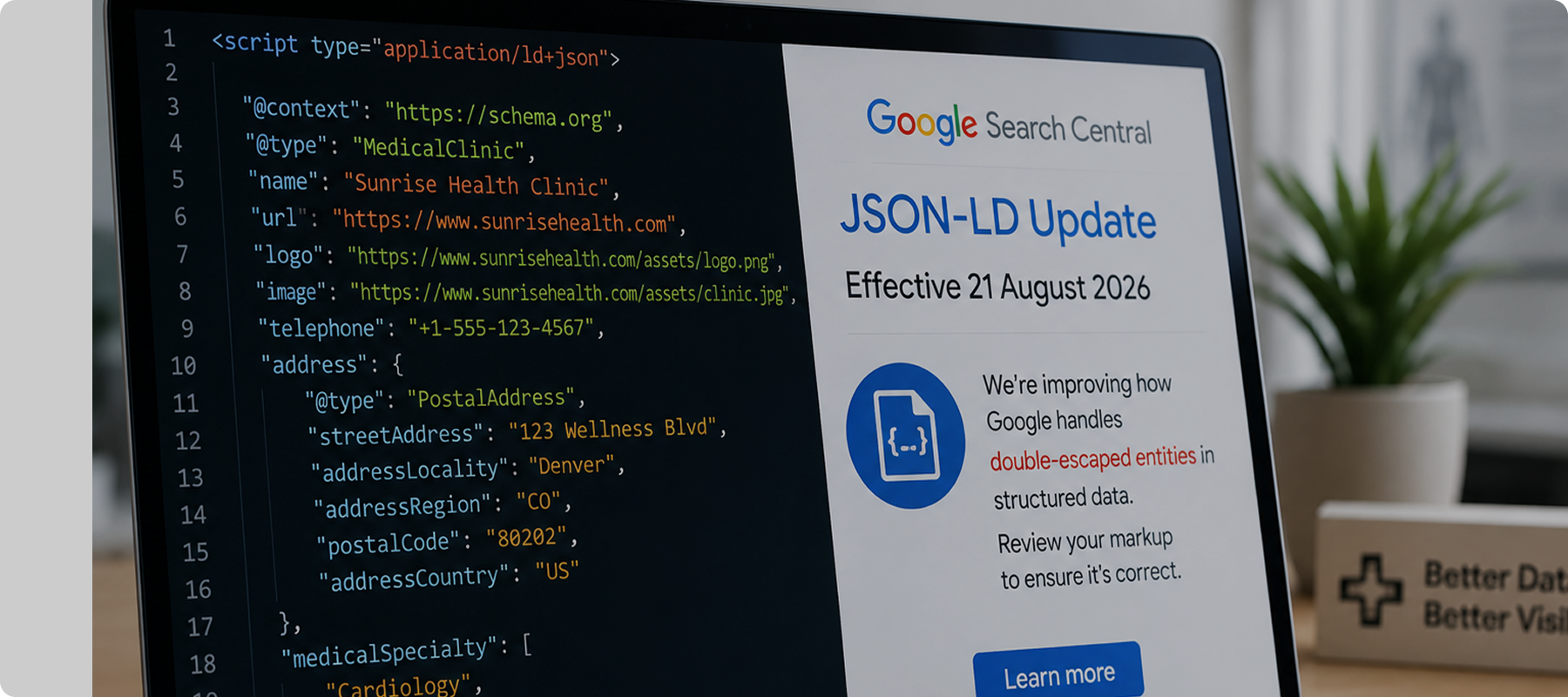
The good news is that most websites do not need to make major changes. However, websites using double-escaped HTML entities inside JSON-LD should review their implementation and update it where necessary. Google says its JSON-LD extraction now performs only a single pass of HTML unescaping, bringing the process more closely in line with standard JSON behavior.
What Is JSON-LD?
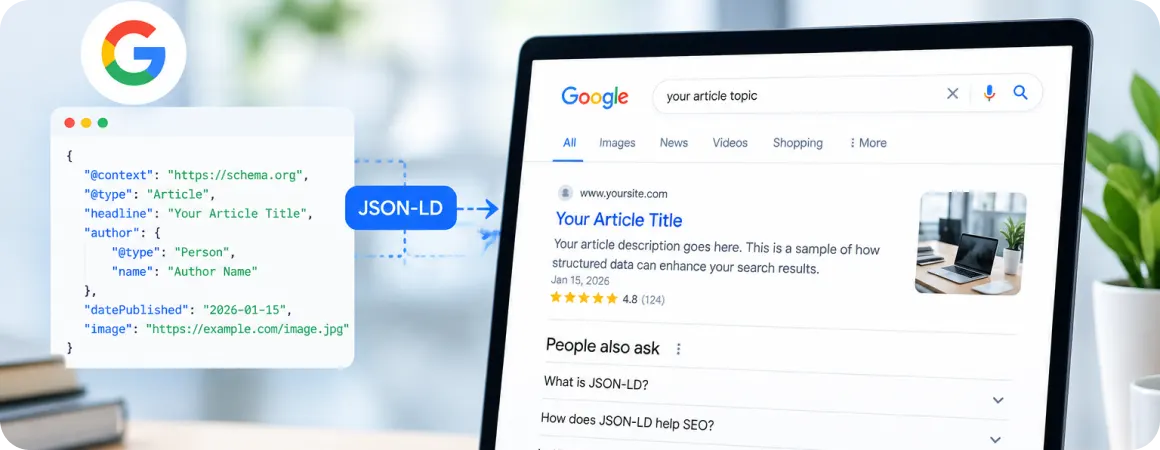
JSON-LD stands for JavaScript Object Notation for Linked Data. In simple terms, it is a way of adding information to a webpage that helps search engines understand what the page is about.
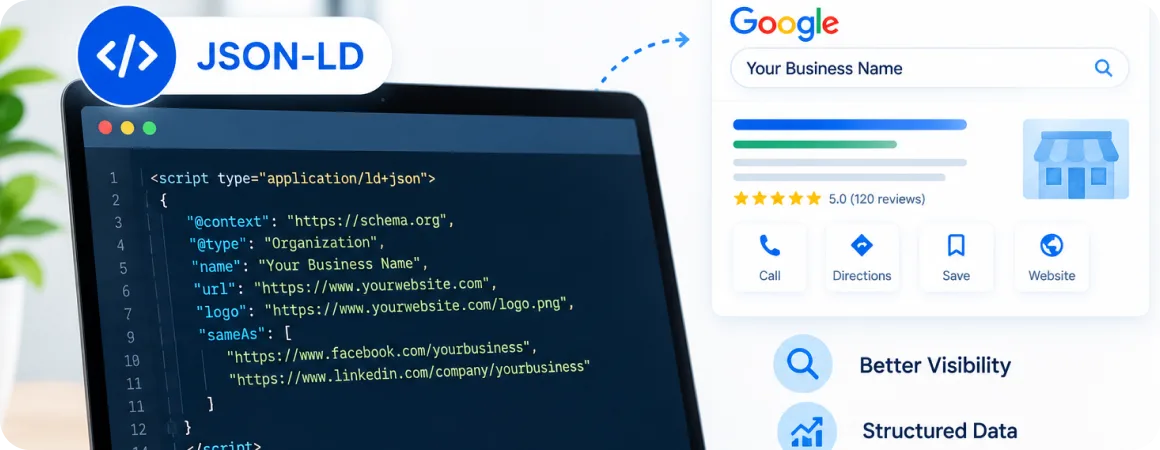
For example, an online store can use structured data to tell Google about a product’s name, price, availability, ratings, and other details. A local business can provide information such as its business name, address, opening hours, and other relevant details.
Google recommends JSON-LD as the preferred structured-data format because it is generally easier for website owners to implement and maintain.
What Changed in Google's 2026 Update?
The main change is related to how Google reads escaped characters inside JSON-LD.
Previously, Google’s processing could effectively handle certain characters that had been escaped more than once. With the 2026 change, Google now performs one pass of HTML unescaping.
This means websites that depend on double-escaped entities may no longer have those characters interpreted as they were previously. Google recommends using standard JSON escaping or Unicode hexadecimal escapes instead. For most businesses, this is a technical cleanup rather than a reason to completely rebuild their structured data.
Why Does This Update Matter for Businesses?
Structured data helps Google understand the information presented on a webpage. Correct implementation can also make pages eligible for certain rich results and enhanced search appearances.
However, structured data does not automatically improve rankings or guarantee that Google will display a rich result. Google specifically states that valid structured data only makes a page eligible for certain search features; Google decides whether those features appear.
If your website has incorrectly formatted JSON-LD, it could also prevent Google from properly understanding the information you intended to provide.
Therefore, businesses should treat this update as an opportunity to audit their structured data and fix outdated implementations.
Stay Ahead of Google’s Updates
What Are Double-Escaped Entities?
An escaped character is represented in a special format so that it can safely appear inside code.
For example, Google recommends using standard JSON escapes or Unicode hexadecimal escapes such as \u0026 when appropriate, rather than depending on repeated HTML unescaping.
This is particularly relevant to developers, SEO professionals, and businesses with custom-built websites or automated structured-data systems.
How Can Businesses Check Their Structured Data?
Start by checking the JSON-LD code implemented across important pages such as:
- Homepage
- Product pages
- Service pages
- Blog posts
Google’s Rich Results Test can be used to check whether structured data can generate eligible rich results and identify issues. Google also recommends using Search Console and the URL Inspection tool when troubleshooting structured-data problems.
If your website uses a plugin or CMS to automatically generate JSON-LD, check whether that system has been updated.
Best Practices for JSON-LD in 2026
Businesses should follow a few simple practices:
- Use valid JSON-LD: Avoid relying on outdated escaping behavior.
- Keep information accurate: Your structured data should represent the actual visible content on the page.
- Use relevant schema types: Choose the most specific structured-data type that accurately describes your content.
- Test your markup: Regularly check important pages using Google’s testing tools.
- Monitor Search Console: Look for structured-data errors and other issues after making changes.
Conclusion
Google’s 2026 JSON-LD update is mainly a change to how its systems parse certain escaped characters. It does not mean businesses need to replace JSON-LD or stop using structured data.
Instead, website owners should make sure their JSON-LD follows standard JSON practices, avoid relying on double-escaped entities, and regularly test their structured data.
For businesses focused on SEO, technical SEO, and search visibility, keeping structured data clean and accurate is a simple but important part of maintaining a search-friendly website.